

Medical disclaimer : This article is for general informational and educational purposes only. It summarizes published research and manufacturer-provided material; it is not medical advice and is not a substitute for consultation with a qualified doctor. Do not start, stop, or change the dose of any diabetes medication based on this article. Always consult your doctor or endocrinologist before adding any herbal or complementary product to your treatment plan.
If you’ve lived with type 2 diabetes for any length of time, you already know the frustrating part isn’t just the diagnosis, it’s the maintenance. You take your metformin or sulfonylurea, you check your fasting glucose, you get your HbA1c tested every few months, and the numbers move, but something else keeps nagging. Cholesterol creeps up. Triglycerides stay stubborn. Fatigue lingers even on “good” glucose days.
This is the general area a herbal formulation called Cogent db has been studied in. Developed by Cybele Herbal Laboratories in Kochi, Kerala, Cogent db is a poly-herbal Ayurvedic preparation that was the subject of a handful of published animal studies and one human clinical trial in the late 1990s and early 2000s, along with a mention in a later Cochrane systematic review of Ayurvedic diabetes treatments. This article walks through that research honestly including its real limitations rather than presenting only the favorable parts.
Ayurveda has used plant-based formulations for glycemic support for centuries, well before modern pharmacology existed, and dozens of proprietary herbal blends for diabetes are sold across South Asia today. What sets Cogent db apart from most of them isn’t the tradition it draws from, it’s that its manufacturer chose to test it using conventional scientific methods: controlled animal experiments, head-to-head comparisons with an established drug, and eventually a monitored human trial, rather than relying solely on historical use as evidence.
The six studies below are presented in the same order they appear listed on cybelelife.com/clinical-trials, followed by one additional related study and the independent Cochrane review.
Why Look Beyond Blood Sugar in the First Place?
Type 2 diabetes isn’t a single-organ problem. It’s a systemic form of metabolic dysfunction that touches the pancreas, liver, kidneys, blood vessels, and fat tissue. Standard oral hypoglycemic drugs metformin, sulfonylureas like glibenclamide, and others are well established and effective at lowering blood glucose, and nothing here should be read as suggesting otherwise or as an alternative to them. Researchers have long been interested in whether complementary treatments, including certain herbal formulations, might offer additional support alongside not instead of standard therapy.
An Important Caveat About the Animal Model Used
Before getting into the individual studies, it’s worth explaining a limitation clearly, because it affects how every animal study below should be interpreted.
Every animal study on Cogent db used alloxan-induced diabetes in rats. Alloxan is a chemical that selectively destroys the insulin-producing beta cells of the pancreas, creating a state of severe insulin deficiency. This model is useful for studying glucose metabolism and pancreatic function in a controlled way, but it does not fully replicate human type 2 diabetes. Human type 2 diabetes is driven mainly by insulin resistance in muscle, liver, and fat tissue, combined with a gradual, partial decline in insulin secretion a very different starting point from the near-total, drug-induced beta-cell destruction seen in the alloxan model, which more closely resembles some features of type 1 diabetes.
In practice, this means the rat data below is best read as evidence about how Cogent db affects glucose-handling enzymes, insulin levels, and lipid metabolism in an insulin-deficient rodent model, rather than as direct proof of how it would perform in human type 2 diabetes.
Study 1: Plasma Insulin and Hepatic Enzymes of Glucose Metabolism
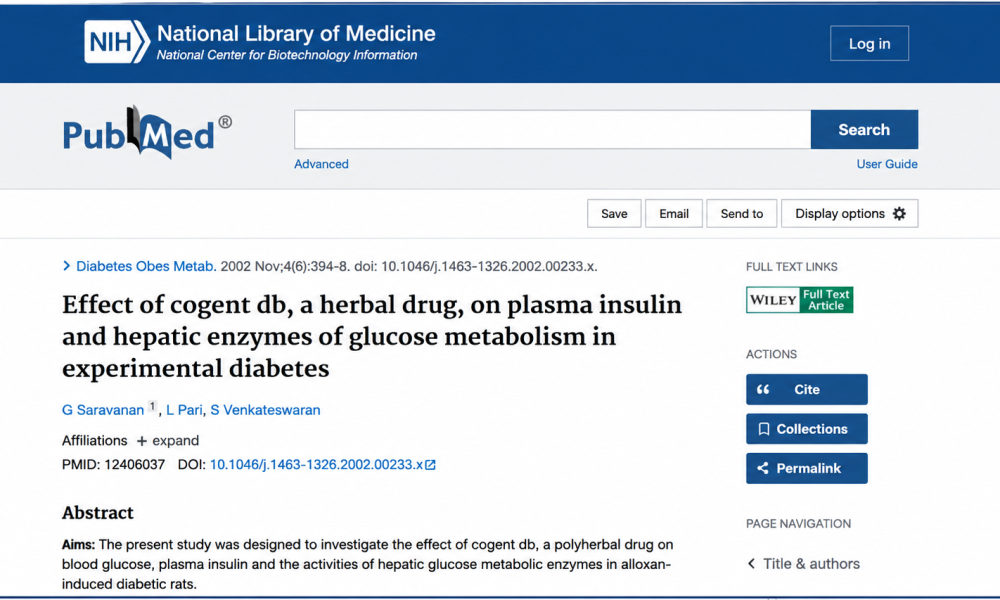
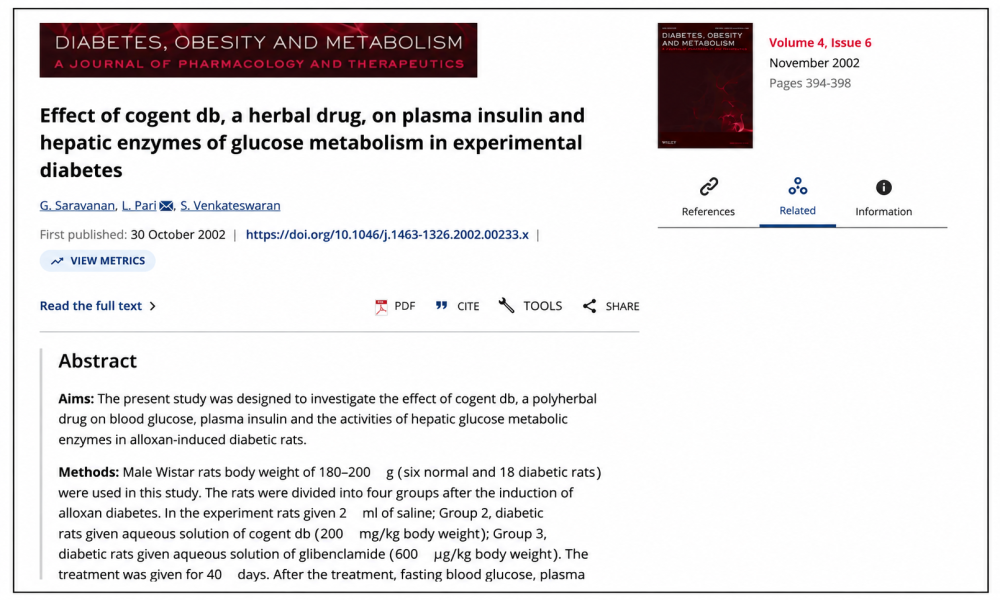
Title : Effect of cogent db, a herbal drug, on plasma insulin and hepatic enzymes of glucose metabolism in experimental diabetes
Authors : G. Saravanan, L. Pari, S. Venkateswaran
Journal : Diabetes, Obesity and Metabolism, 2002;4(6):394–398
DOI : 10.1046/j.1463-1326.2002.00233.x

What the study actually did
This study, conducted at the Department of Biochemistry and Biotechnology, Annamalai University, Tamil Nadu, used male Wistar rats weighing 180–200g, divided into four groups: normal rats given saline, diabetic control rats given saline, diabetic rats given an aqueous solution of Cogent db (0.45 g/kg body weight), and diabetic rats given glibenclamide (600 μg/kg body weight) as the reference comparison drug. Diabetes was induced using alloxan, and treatment was given for 40 days.
What was measured and found
Researchers tracked fasting blood glucose, plasma insulin, urine sugar, and the activity of two key liver enzymes involved in glucose production glucose-6-phosphatase and fructose-1,6-bisphosphatase along with hexokinase, an enzyme involved in cellular glucose uptake. Treatment with Cogent db resulted in a significant reduction in blood glucose and in the activity of both gluconeogenic liver enzymes, while plasma insulin levels and hepatic hexokinase activity increased significantly compared to untreated diabetic rats.
The authors' interpretation
The study authors concluded that Cogent db appears to control blood glucose by increasing glycolysis (glucose breakdown/utilization) and decreasing gluconeogenesis (new glucose production) in the liver, with a comparatively lower demand on pancreatic insulin output than seen in untreated diabetic rats achieved by regulating the activity of these hepatic glucose metabolic enzymes.
How to read this fairly
This is a plausible, biologically coherent mechanism but it comes from one research group’s rodent data using an insulin-deficient animal model, not from human liver studies. It explains a possible pathway, not a proven human outcome.
Access links for this study:
Study 2: Serum and Tissue Lipid Metabolismm
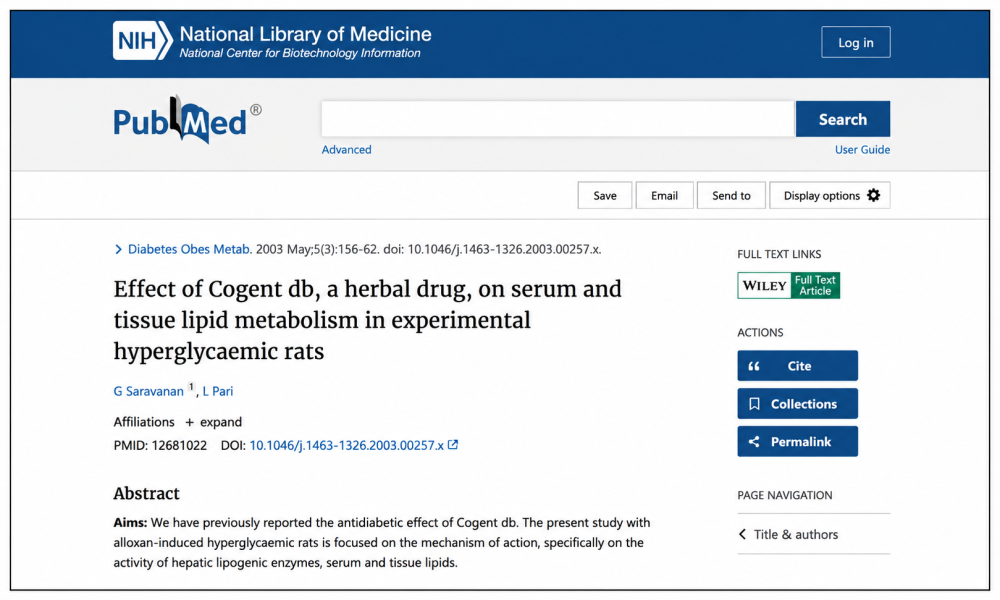
Title : Effect of Cogent db, a herbal drug, on serum and tissue lipid metabolism in experimental hyperglycaemic rats
Authors : G. Saravanan, L. Pari
Journal : Diabetes, Obesity and Metabolism, 2003;5(3):156–162
DOI : 10.1046/j.1463-1326.2003.00257.x

What the study actually did
This study, conducted at the Department of Biochemistry and Biotechnology, Annamalai University, Tamil Nadu, used male Wistar rats weighing 180–200g, divided into four groups: normal rats given saline, diabetic control rats given saline, diabetic rats given an aqueous solution of Cogent db (0.45 g/kg body weight), and diabetic rats given glibenclamide (600 μg/kg body weight) as the reference comparison drug. Diabetes was induced using alloxan, and treatment was given for 40 days.
What was measured and found
In an alloxan-induced diabetic rat study, 40 days of Cogent db treatment significantly reduced fasting blood glucose and serum and tissue lipid levels, while increasing plasma insulin and hepatic lipogenic enzyme activity.
The authors' interpretation
The study authors described this as a strong antihyperlipidaemic effect, and suggested it could have a beneficial action against macrovascular complications (cardiovascular disease) associated with diabetes.
How to read this fairly
It’s important to be precise about what this study did and didn’t show: it measured lipid levels in rat blood and tissue not actual cardiovascular outcomes such as heart attacks, strokes, or blood vessel changes and it was not conducted in humans. Describing this as a proven “cardiovascular benefit” would overstate the evidence. A fairer description is that Cogent db improved certain lipid risk markers in diabetic rats, which is one meaningful step short of demonstrating an actual reduction in cardiovascular disease.
Access links for this study:
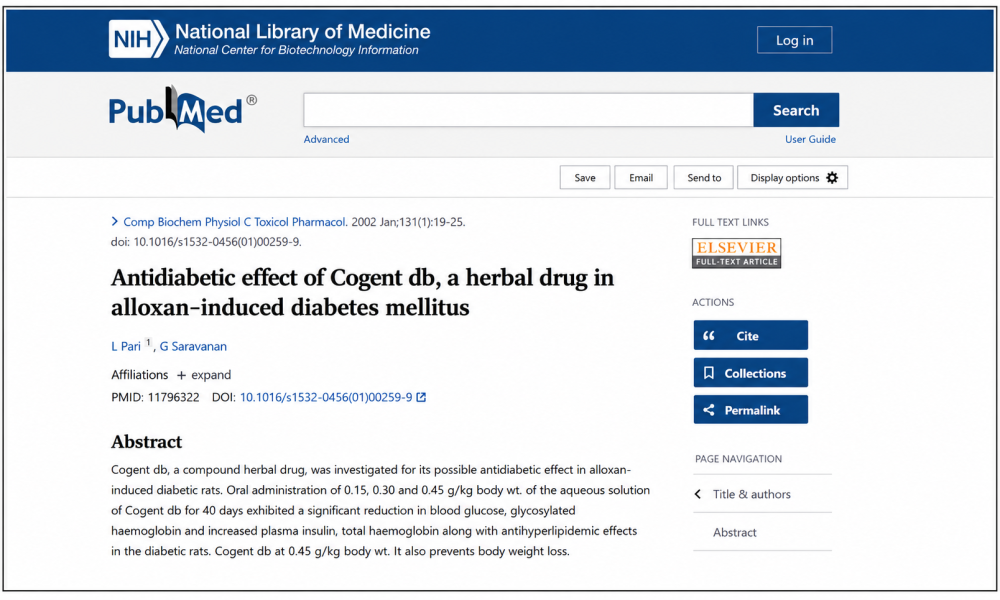
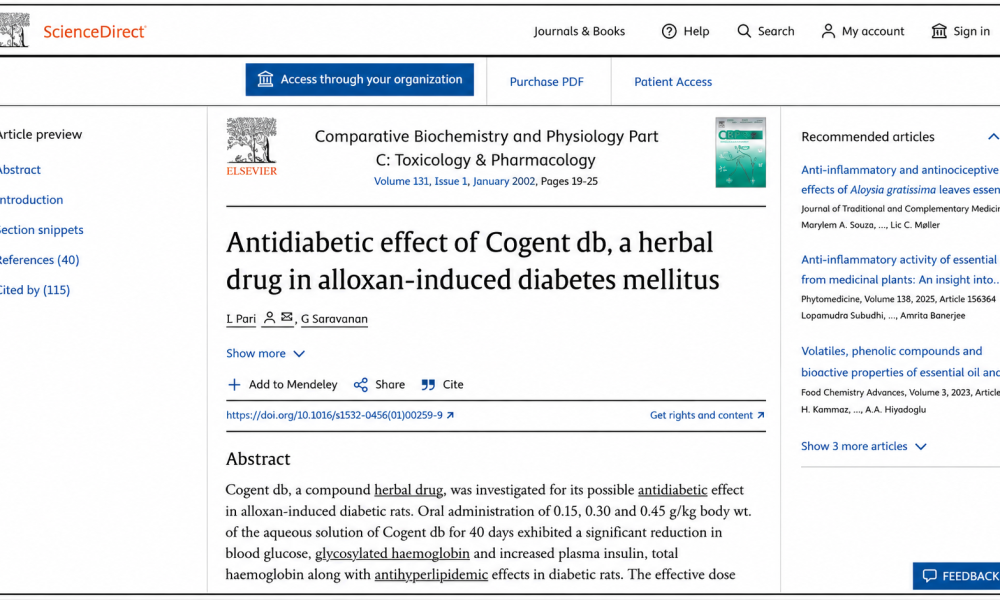
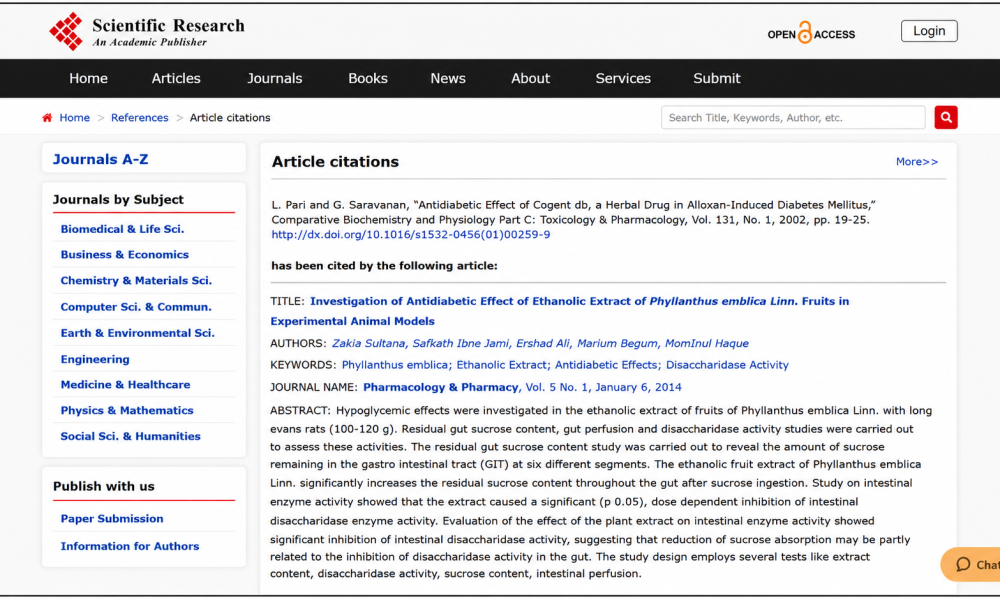
Study 3: Antidiabetic Effect in Alloxan-Induced Diabetes Mellitus
Title : Antidiabetic effect of Cogent db, a herbal drug in alloxan-induced diabetes mellitus
Authors : L. Pari, G. Saravanan
Journal : Comparative Biochemistry and Physiology Part C: Toxicology & Pharmacology, 2002;131(1):19–25
DOI : 10.1016/S1532-0456(01)00259-9

What the study actually did
This appears to be the earliest of the four animal studies, and it’s the one that establishes Cogent db’s basic antidiabetic effect before the follow-up mechanistic studies. Male Wistar rats (180–200g) were obtained from the Central Animal House, Raja Muthiah Medical College, Annamalai University, and fed a standard pellet diet. Alloxan monohydrate was used to induce diabetes. Three oral doses of Cogent db were tested 0.15, 0.30, and 0.45 g/kg body weight over 40 days, with glibenclamide (600 μg/kg body weight) used as the reference antidiabetic drug for comparison.
What was measured and found
In a diabetic rat study, Cogent db significantly reduced blood glucose and HbA1c, increased plasma insulin and total haemoglobin, improved lipid profile and glucose tolerance (OGTT), and helped reduce diabetes-related weight loss, with the highest dose showing the greatest benefits.
The authors' interpretation
In this specific experiment, the antidiabetic effect of Cogent db was reported as more effective than that observed with glibenclamide, the standard reference drug used for comparison.
How to read this fairly
A single animal study showing a herbal compound outperforming a standard drug on measured parameters is a hypothesis-generating finding, not a settled conclusion. Glibenclamide dosing, rat strain, and study duration can all influence such comparisons, and this specific result has not been independently replicated in a larger or blinded study by a different research group.
Access links for this study:
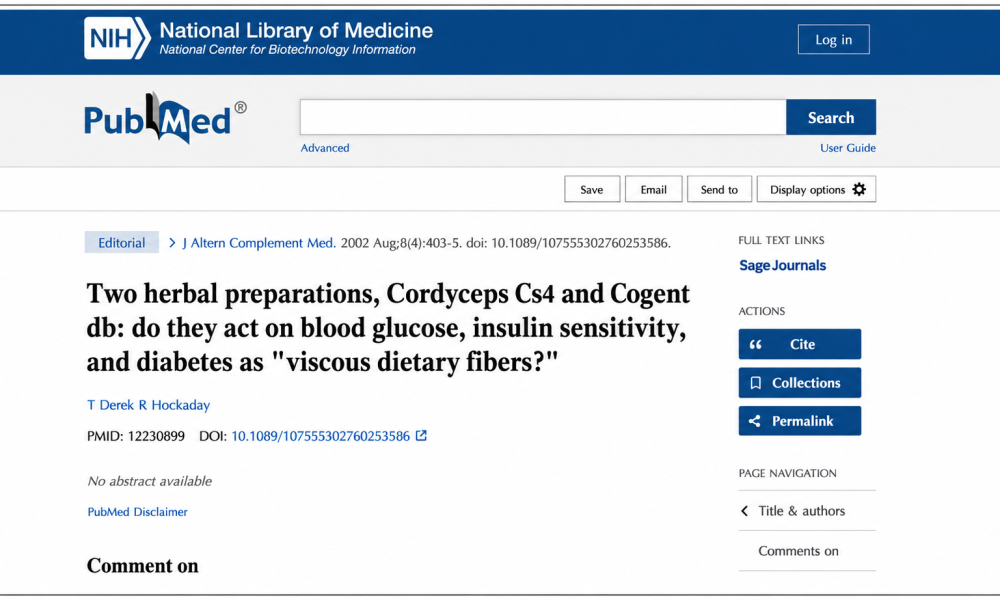
Study 4: The Hockaday Editorial "Viscous Dietary Fibers?"
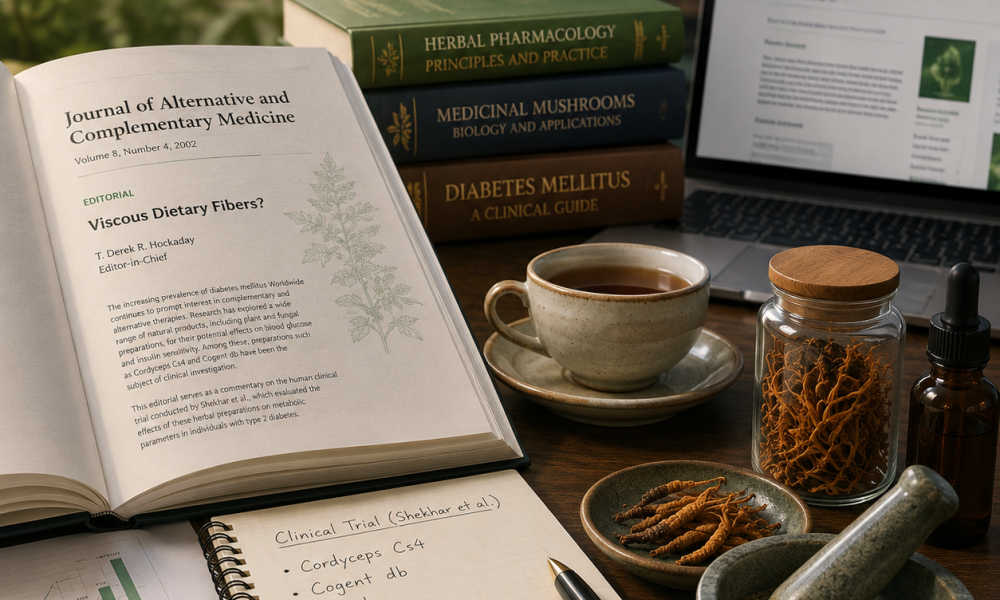
Title : Two herbal preparations, Cordyceps Cs4 and Cogent db: do they act on blood glucose, insulin sensitivity, and diabetes as ‘viscous dietary fibers’?
Author : T. Derek R. Hockaday
Journal : Journal of Alternative and Complementary Medicine, 2002;8(4):403–405 (Editorial; no abstract available)
What this piece actually is
Unlike the other entries in this list, this is not an original research study it’s an invited editorial commentary published in the same journal issue as the human clinical trial (Study #5 below). It’s officially listed as a “Comment on” the Shekhar et al. trial.
The core idea raised
Hockaday raised the possibility that herbal preparations like Cogent db and Cordyceps Cs4 might work, at least partly, like “viscous dietary fibers” meaning they could physically slow glucose absorption in the gut rather than, or in addition to, acting through any direct hormonal or enzymatic mechanism.
Why this matters
This editorial highlights that while a formulation may deliver consistent, measurable results across multiple studies, its underlying mechanism may remain uncertain. Hockaday’s commentary does not challenge the human trial’s findings but instead raises a valid scientific question about how the observed effects occur.
Access link for this study:
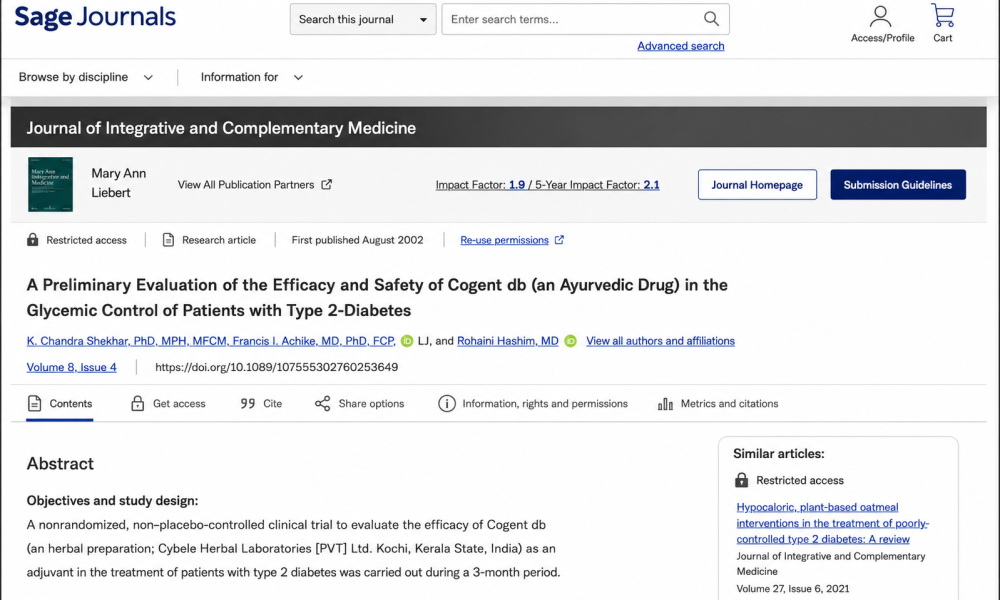
Study 5: The Human Clinical Trial Glycemic Control in Type 2 Diabetes Patients
Title : Two herbal preparations, Cordyceps Cs4 and Cogent db: do they act on blood glucose, insulin sensitivity, and diabetes as ‘viscous dietary fibers’?
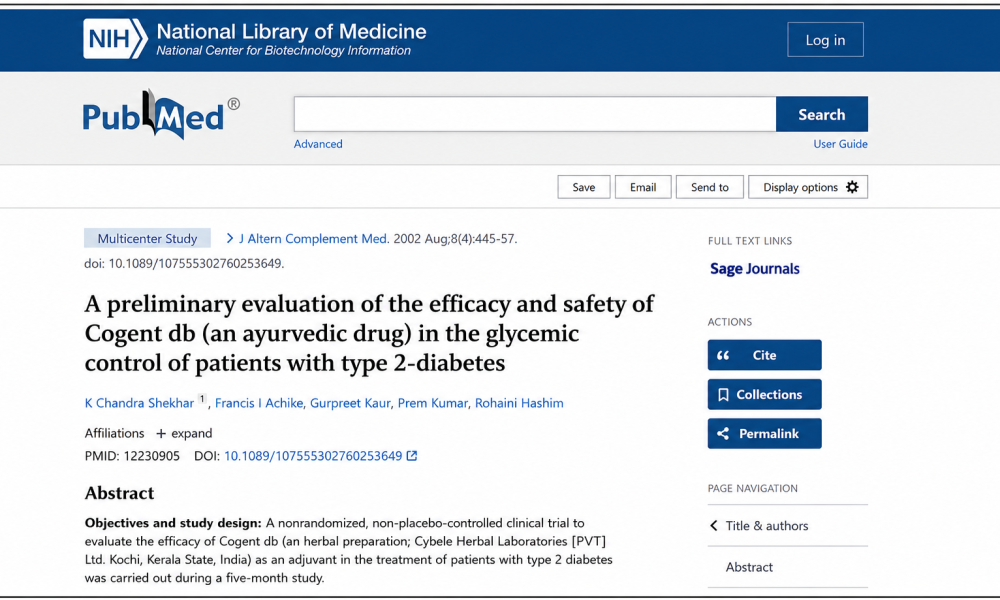
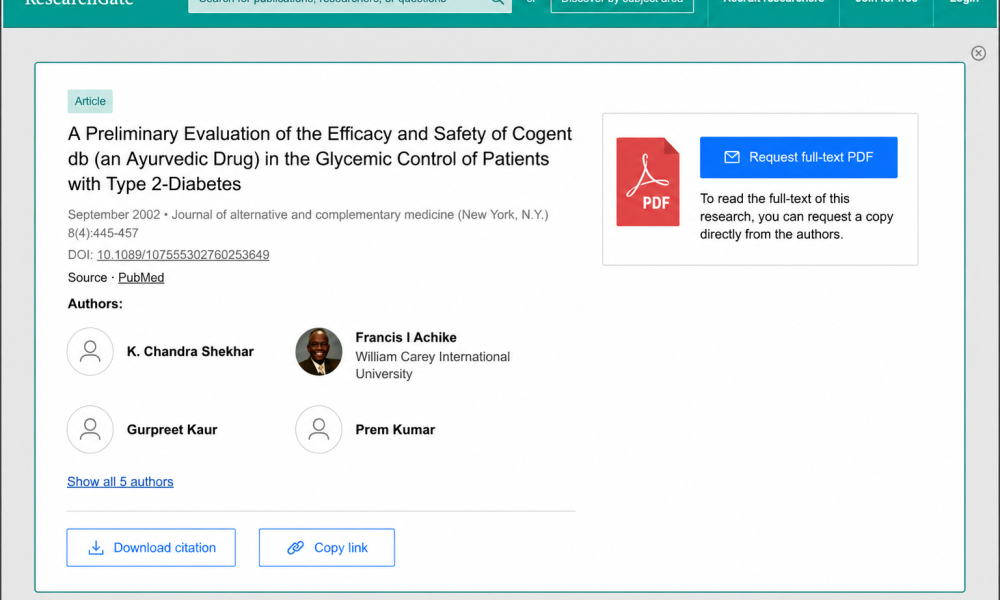
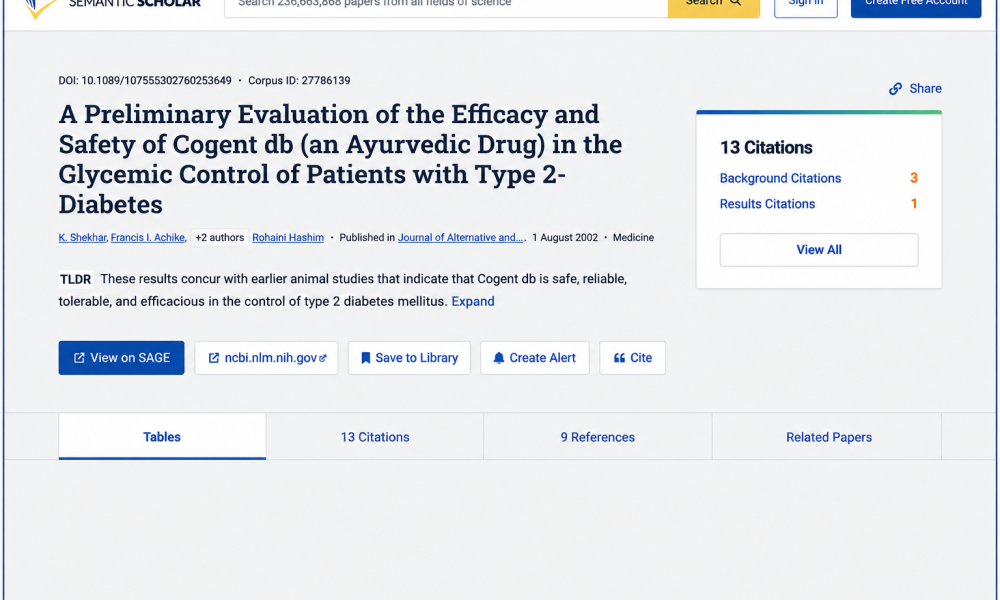
Auth.Title : A preliminary evaluation of the efficacy and safety of Cogent db (an ayurvedic drug) in the glycemic control of patients with type 2-diabetes”
Authors : K. Chandra Shekhar, Francis I. Achike, Gurpreet Kaur, Prem Kumar, Rohaini Hashim
Journal : Journal of Alternative and Complementary Medicine (now Journal of Integrative and Complementary Medicine), 2002;8(4):445–457 DOI : 10.1089/107555302760253649 |PMID : 12230905 or : T. Derek R. Hockaday
Journal : Journal of Alternative and Complementary Medicine, 2002;8(4):403–405 (Editorial; no abstract available)
This is the single most important piece of evidence in this entire research trail, because it’s the only one conducted in actual human patients rather than rats. It’s worth walking through in detail.
Study design
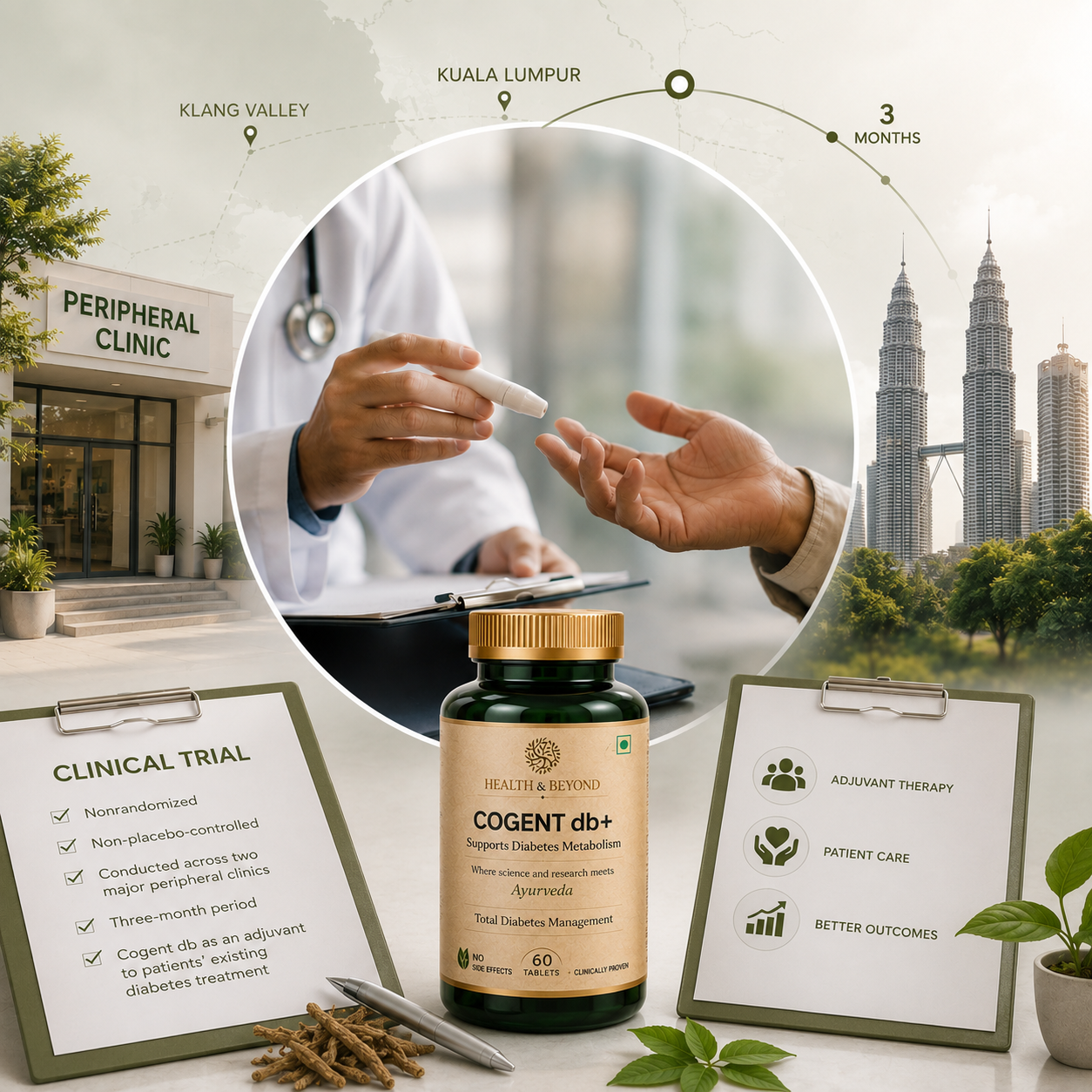
This was a nonrandomized, non-placebo-controlled clinical trial, conducted across two major peripheral clinics in the Klang Valley, Kuala Lumpur, Malaysia, over a three-month period. Cogent db was tested as an adjuvant (an add-on) to patients’ existing diabetes treatment not as a standalone or replacement therapy.
Subject numbers
A total of 39 Cogent db-treated cases and 40 age-matched controls were recruited for this preliminary study. Nineteen subjects (10 from the control group and 9 from the treatment group) dropped out over the course of the study, leaving a total of 60 subjects who completed it 30 in the control group and 30 in the treatment group.
What was actually given
All subjects in the treatment group were given Cogent db 2 tablets, three times daily, after each meal in addition to their regular allopathic (conventional) medications: Daonil (Aventis Farma, Malaysia) and Diamicron (Sevier, Thailand), with or without Metformin (Upha Corporation, Malaysia). The control group continued taking these same regular medications alone, without Cogent db.
What was measured
Thirty-two (32) clinical variables were investigated in total, including liver enzymes, kidney function tests, hematologic parameters, blood glucose, insulin, and C-peptide assays.
Results
At the end of three months, there was a significant decrease in the levels of fasting and postprandial blood glucose, total cholesterol, triglycerides, glycated haemoglobin (HbA1c), and fasting insulin in the treatment group compared to the controls. Cogent db did not alter liver function tests, hematologic parameters, or kidney function tests in the treatment group meaning no adverse changes were detected in these safety markers.
The authors' conclusion
The study authors concluded that these results were consistent with the earlier animal studies, and described Cogent db as safe, reliable, tolerable, and efficacious in the control of type 2 diabetes mellitus, when used as an adjuvant to standard treatment.
How to read this fairly
This is a fair summary of what this specific, short trial found but it’s the study authors’ own conclusion from a three-month, 60-person, nonrandomized trial without a placebo arm, not an independent or long-term verdict. Because there was no randomization and no placebo control, this design cannot fully rule out the possibility that some of the observed improvement was influenced by factors other than the treatment itself such as closer clinical attention, or natural fluctuation in glucose control over the study period. A trial of this size and duration can detect obvious short-term problems, but it cannot rule out rarer side effects or longer-term risks that only a larger, longer, independently conducted, randomized trial would reveal.
Study 6: The Cochrane Systematic Review Ayurvedic Treatments for Diabetes Mellitus
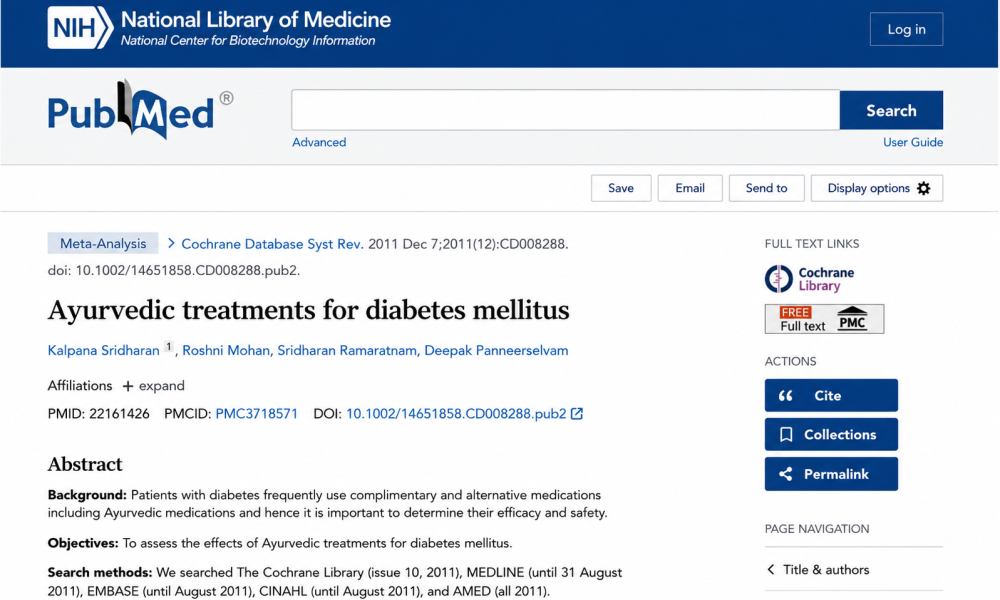
Title : Ayurvedic treatments for diabetes mellitus Authors : Kalpana Sridharan, Roshni Mohan, Sridharan Ramaratnam, Deepak Panneerselvam
Journal : Cochrane Database of Systematic Reviews, 2011;(12):CD008288 DOI : 10.1002/14651858.CD008288.pub2 | PMID: 22161426
This is the most independent piece of evidence in this entire article, because unlike the studies above, it was not conducted or funded by anyone connected to Cogent db or its manufacturer it’s an arms-length academic review of the entire Ayurvedic-diabetes evidence base.

What the review actually did
The reviewers searched the Cochrane Library, MEDLINE, EMBASE, AMED, the database of randomised trials from South Asia, and the database of ongoing trials, all through October 2011, specifically to assess the effects of Ayurvedic treatments for diabetes across the published literature.
Selection criteria
They included randomized controlled trials of at least three months’ duration involving Ayurvedic interventions for diabetes, in participants of both sexes and any type of diabetes, irrespective of diabetes duration, antidiabetic treatment, comorbidity, or diabetes-related complications.
What was found overall
A systematic review of seven randomized trials (354 participants) found that Cogent db significantly improved HbA1c and fasting blood glucose compared to controls. The study also reported lower total cholesterol and LDL cholesterol, while C-peptide and insulin levels showed no significant differences between treatment and control groups.
Adverse events
Adverse events reported across all included trials were generally mild isolated cases of hypoglycemia and gastrointestinal upset were noted in some studies, and none were reported as major or life-threatening.
The authors' overall conclusion
The reviewers’ conclusion was notably more cautious than any of the individual primary studies: although there were significant glucose-lowering effects with the use of some herbal mixtures, due to methodological deficiencies and small sample sizes, they were unable to draw definite conclusions regarding their efficacy. Though no significant adverse events were reported, there was, at that time, insufficient evidence to recommend the use of these interventions in routine clinical practice, and further studies were called for.
How to read this fairly
This is exactly the kind of check a systematic review is designed to provide: an independent, arms-length assessment looked at the same underlying trial data discussed in this article and reached a more conservative conclusion than the original study authors did. That gap between individual researchers’ own conclusions and the pooled, independently reviewed verdict is an important, honest part of this story not a footnote to skip past.
Access link for this study:
Study 7: Glycoproteins and Tissue-Level Markers (Additional Related Study)
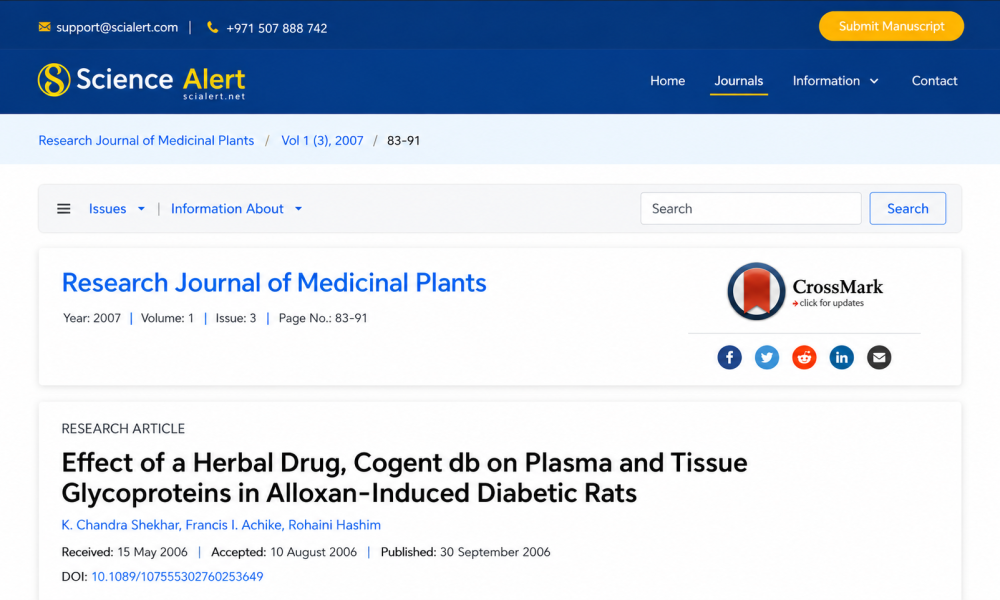
Title : Effect of a Herbal Drug, Cogent db on Plasma and Tissue Glycoproteins in Alloxan-Induced Diabetic Rats Authors: G. Saravanan, L. Pari Journal: Research Journal of Medicinal Plants, 2007;1(2):83–91 DOI: 10.3923/rjmp.2007.83.91

Where this fits in
This study doesn’t appear as its own standalone numbered entry among the six “Scientific Publications” listed on cybelelife.com instead, its DOI is bundled in as the third access link under Study #1 above. It’s included here as its own separate section because it is, in fact, a distinct paper with its own methodology and findings, worth understanding on its own terms.
What the study actually did
Diabetes was induced in male albino Wistar rats using a single intraperitoneal injection of alloxan (150 mg/kg). The animals were divided into five groups: normal untreated rats, normal rats treated with Cogent db (450 mg/kg), diabetic control rats, diabetic rats treated with Cogent db (450 mg/kg), and diabetic rats treated with glibenclamide (600 μg/kg) as the reference comparison.
What was measured and found
In a diabetic rat study, 45 days of Cogent db treatment significantly reduced blood glucose, urine sugar, and plasma glycoproteins, while helping restore normal glycoprotein levels in the liver and kidneys. In some outcomes, Cogent db showed greater effectiveness than glibenclamide.
The authors' interpretation
The study authors concluded that changes in glycoprotein metabolism induced by hyperglycaemia likely have biological and possibly pathological importance in the development of diabetic complications, and that Cogent db treatment showed a significant beneficial effect on glycoproteins in addition to its already-established antidiabetic action.
How to read this fairly
This is a marker-level finding. It suggests a biologically plausible reason why longer-term tissue damage might be reduced, but it does not directly demonstrate that Cogent db prevents diabetic complications such as retinopathy, nephropathy, or neuropathy in humans no study referenced in this article tested that outcome directly.
Access link for this study:
The Manufacturer's Own Pooled Data
Separately from the seven peer-reviewed publications above, Cybele Herbal Laboratories’ website (cybelelife.com/clinical-trials) presents its own pooled data collected between 1998 and 2002 across India, Malaysia, and Sudan, describing reductions in fasting glucose (~28%), post-prandial glucose (~34%), and HbA1c (~18–20%) over three months, alongside lipid improvements. Because this comes directly from the manufacturer rather than an independently peer-reviewed journal article, it should be treated as supporting context rather than independently verified clinical trial evidence.
Putting It All Together
The mechanism story is multi-layered but still preclinical in nature for most of it. Studies 1, 2, 3, and 7 the four rat studies point to effects on liver glucose production, insulin activity, lipid metabolism, and glycoprotein markers. But all four were done in the same insulin-deficient alloxan animal model, by the same two-person research group, without independent replication by any other lab.
Study 5 – the human trial is the most relevant evidence, and it’s real but limited. A three-month, nonrandomized, non-placebo trial with 60 completers is a legitimate starting signal, not proof of efficacy. It was studied only as an add-on to prescribed medication, never as a replacement nothing in this research supports stopping, reducing, or replacing prescribed diabetes medication.
Study 4 – the Hockaday editorial is a reminder that even consistent results don’t always come with a fully settled mechanistic explanation.
Study 6 – the Cochrane review is the most independent assessment available, and it’s notably more cautious than the primary studies’ own conclusions, calling for larger, more rigorously designed trials before any stronger recommendation could be made.
A Few Common Questions
Is Cogent db a proven treatment for type 2 diabetes?
Not in the way that term usually applies to approved pharmaceutical drugs. It has a genuinely more substantial research trail than most herbal diabetes products, but the evidence remains preclinical-heavy and, on the human side, limited to one small, short, nonrandomized trial.
Can it replace metformin, glibenclamide, or insulin?
No study referenced here tested or supports that. Every relevant piece of human evidence involved Cogent db being used alongside prescribed medication, not instead of it.
Why does the Cochrane review sound more cautious than the individual studies?
Because that’s precisely the role of an independent systematic review — to step back from any one research group’s own conclusions and ask what the pooled, quality-assessed evidence across multiple trials actually supports.
Is it safe?
Within the studies reviewed — 40 to 45 days in rats, three months in humans — no liver, kidney, or blood-related harm was reported. That’s a reassuring, but time-limited, safety signal, not a long-term safety guarantee.
Study Summary Table
| # | Study | Model / Subjects | Duration | Key Reported Finding | Design Notes |
|---|---|---|---|---|---|
| 1 | Saravanan, Pari & Venkateswaran, 2002 Diabetes Obes Metab | Alloxan-diabetic rats | 40 days | ↓ gluconeogenic liver enzymes; ↑ hexokinase, insulin | Animal study; mechanistic |
| 2 | Saravanan & Pari, 2003 Diabetes Obes Metab | Alloxan-diabetic rats | 40 days | ↓ serum/tissue lipids; ↑ lipogenic enzyme activity | Animal study; lipid markers only |
| 3 | Pari & Saravanan, 2002 Comp Biochem Physiol C | Alloxan-diabetic rats | 40 days | ↓ blood glucose, HbA1c; ↑ insulin; improved OGTT; outperformed glibenclamide | Animal study; single research group |
| 4 | Hockaday, 2002 J Altern Complement Med | Editorial commentary | — | Raises "viscous fiber" mechanism question | Not original research |
| 5 | Shekhar et al., 2002 J Altern Complement Med | Humans, type 2 diabetes (n=60 completed of 79 recruited) | 3 months | ↓ glucose, HbA1c, cholesterol, triglycerides; no adverse liver/kidney/blood findings | Human trial; nonrandomized, no placebo arm |
| 6 | Sridharan et al., 2011 Cochrane review | 7 RCTs, 354 participants across various Ayurvedic formulations | 3–6 months (per included trial) | Mixed but generally mild positive signal; evidence judged insufficient for routine clinical recommendation | Independent systematic review |
| 7 | Saravanan & Pari, 2007 Res J Medicinal Plants | Alloxan-diabetic rats | 45 days | Improved glycoprotein/tissue markers | Animal study; marker-level |
Lorem ipsum dolor sit amet, consectetur adipiscing elit. Ut elit tellus, luctus nec ullamcorper mattis, pulvinar dapibus leo.
Conclusion
Cogent db has a more substantial published research trail than most herbal diabetes products several animal studies examining complementary biological systems, one human clinical trial, and independent scrutiny from a Cochrane systematic review. Read carefully, that body of evidence is genuinely encouraging as a starting point, but it is not proof of efficacy or long-term safety. The rat data comes from an insulin-deficient model that only partly reflects human type 2 diabetes; the human trial was small, short, nonrandomized, and without a placebo arm; and the most independent, arms-length assessment of the underlying evidence the Cochrane review explicitly concluded that current evidence is not yet sufficient to recommend Ayurvedic formulations like this one for routine clinical use. The responsible takeaway is straightforward: this is a research area worth continued study, and a topic worth raising with your doctor if you’re curious about it but it is not a substitute for prescribed diabetes medication, and no one should change their treatment or dosage without medical supervision.
Full References
- Saravanan G, Pari L, Venkateswaran S. Effect of cogent db, a herbal drug, on plasma insulin and hepatic enzymes of glucose metabolism in experimental diabetes. Diabetes, Obesity and Metabolism. 2002;4(6):394–398. DOI: 10.1046/j.1463-1326.2002.00233.x.
- Saravanan G, Pari L. Effect of Cogent db, a herbal drug, on serum and tissue lipid metabolism in experimental hyperglycaemic rats. Diabetes, Obesity and Metabolism. 2003;5(3):156–162. DOI: 10.1046/j.1463-1326.2003.00257.x.
- Pari L, Saravanan G. Antidiabetic effect of Cogent db, a herbal drug in alloxan-induced diabetes mellitus. Comparative Biochemistry and Physiology Part C: Toxicology & Pharmacology. 2002;131(1):19–25. DOI: 10.1016/S1532-0456(01)00259-9.
- Hockaday TDR. Two herbal preparations, Cordyceps Cs4 and Cogent db: do they act on blood glucose, insulin sensitivity, and diabetes as “viscous dietary fibers”? [Editorial]. Journal of Alternative and Complementary Medicine. 2002;8(4):403–405.
- Shekhar KC, Achike FI, Kaur G, Kumar P, Hashim R. A Preliminary Evaluation of the Efficacy and Safety of Cogent db (an Ayurvedic Drug) in the Glycemic Control of Patients with Type 2-Diabetes. Journal of Alternative and Complementary Medicine. 2002;8(4):445–457. DOI: 10.1089/107555302760253649. PMID: 12230905.
- Sridharan K, Mohan R, Ramaratnam S, Panneerselvam D. Ayurvedic treatments for diabetes mellitus. Cochrane Database of Systematic Reviews. 2011;(12):CD008288. DOI: 10.1002/14651858.CD008288.pub2. PMID: 22161426.
- Saravanan G, Pari L. Effect of a Herbal Drug, Cogent db on Plasma and Tissue Glycoproteins in Alloxan-Induced Diabetic Rats. Research Journal of Medicinal Plants. 2007;1(2):83–91. DOI: 10.3923/rjmp.2007.83.91.
- Cybele Herbal Laboratories. Clinical Trials [webpage]. cybelelife.com/clinical-trials.