
Cybele Official Message
Type 2 Diabetes Mellitus Can be reversed over time with Consistency and Medication.
15 Clinical Trials
6 Human Trials
434 Real Patients
Observed on this exact formulation
The 4-Pillar Reverse Program
What it Was Designed to Do
Address long-term metabolic dysfunction in Type 2 Diabetes — not just blood sugar numbers.
Standard diabetes treatment focuses on lowering blood glucose. Over time, however, Type 2 Diabetes progresses due to underlying metabolic dysfunction — including insulin resistance, lipid imbalance, chronic inflammation, and organ stress.
The 4-Pillar Program was designed to work alongside prescribed medication to address these deeper metabolic processes.
The 4-Pillar Program
Pillar 1
Pharmacological Control
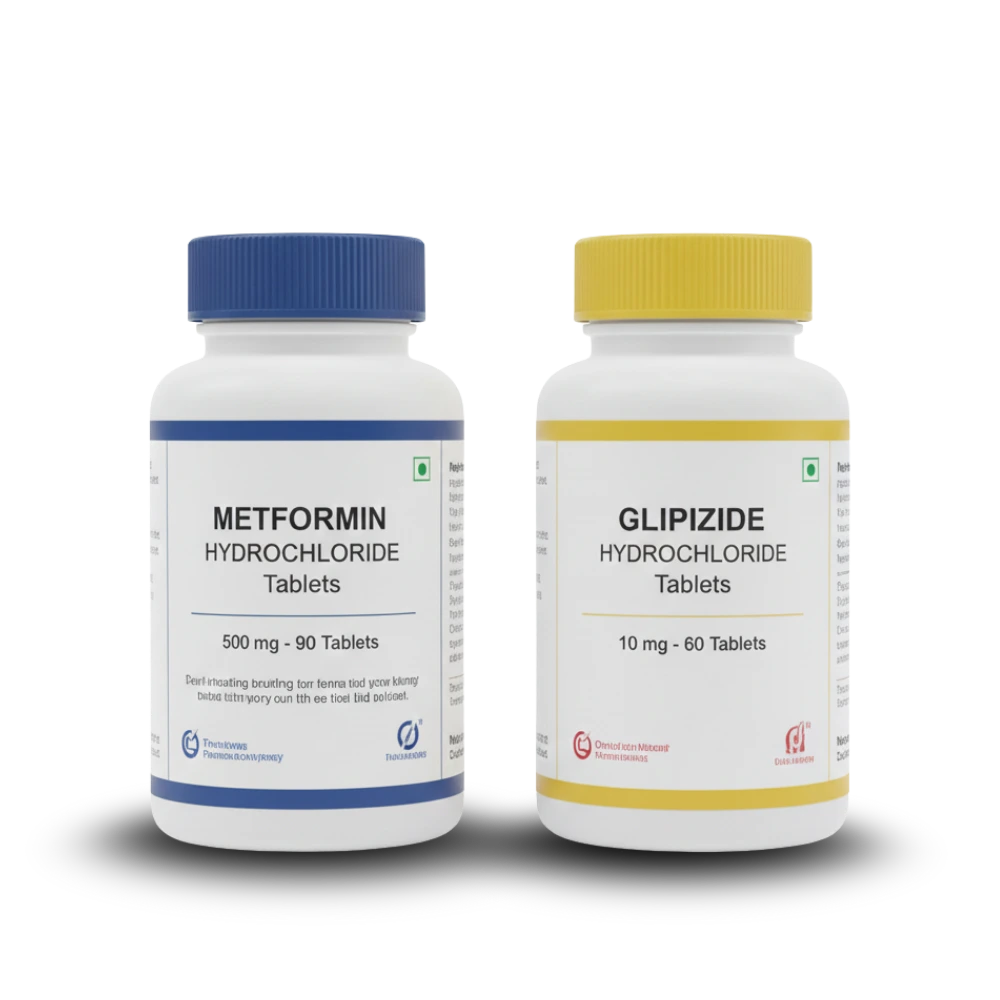
Metformin and Sulfonylureas
Pillar 2
Metabolic Support

Cogent DB+
Pillar 3
Physiological Activation

15 minutes of daily movement
Pillar 4
Nutritional Control

Reduces glycemic volatility
Without addressing metabolic dysfunction, blood sugar control alone does not stop disease progression.
The 4-Pillar Program exists to close this gap.
Human Clinical Evidence
Across multiple human clinical studies, COGENT DB demonstrated a consistent ability to improve the metabolic environment underlying Type 2 Diabetes — not merely reduce glucose values.
These findings suggest a metabolic intervention capable of addressing a limitation modern diabetes medications were never designed to solve.
Observed between 1998–2002 across India, Malaysia & Sudan on the same formulation — COGENT DB / COGENT DB+
Across all studies, COGENT DB demonstrated significant, reproducible metabolic improvement in real human bodies:
- Sustained improvement in glucose parameters (FBG, PPBG, HbA1c) beyond what oral hypoglycemics achieved alone.
- Significant reduction in other metabolic markers (lipids, urinary proteins) indicating improved overall metabolic health.
- No clinically significant liver or kidney toxicity, even alongside routine allopathic drugs.
Important: Routine side effects of prescribed diabetes medications (fatigue, bloating, frequent urination) were notably reduced.
COGENT DB provided metabolic support while mitigating common drug-related symptoms.
Why Cogent DB+ Works When Medication Alone Does Not
Clinical change observed over 3 months
(Human trials – alongside prescribed diabetes medication)
Glycaemic Control
Lipid Metabolism
Liver Stress Markers
Key Outcomes
Control Group Vs Treatment Group
| Parameters | Control (Day 0 → 3 Month) | Treatment (Day 0 → 3 Month) | Treatment Change (%) | |
|---|---|---|---|---|
| Fasting Blood Glucose | 10.5 → 12.2 | 12.2 → 8.8 | 27.9% | |
| Post-Prandial Glucose (PPG (2.00)) | 15.0 → 18.3 | 18.2 → 11.9 | 34.6% | |
| HbA1c | 9.5 → 10.4 | 11.2 → 8.9 | 20.5% | |
| Total Glycated Hemoglobin (%) | 11.2 → 12.4 | 11.2 → 9.5 | 13.0% | |
| Liver Stress Markers | ||||
| AST (Aspartate Aminotransferase) | 26.3 → 40.3 | 36.8 → 32.4 | 7.0% | |
| Total Bilirubin | 13.1 → 15.1 | 13.1 → 11.6 | 10.6% | |
| Stimulated Insulin | 25.4 → 34.3 | 52.0 → 38.9 | 25.2% | |
| Fasting C-Peptide | 1.32 → 1.89 | 1.78 → 1.50 | 15.7% | |
* Data observed from Day 0 to 3 monthe of hurnan observation (Malaysis, Type-2 diabetic, patientc, adjunct to prescribed care.
What this Change Matters
- Hepatic Health: Reflects reduced hepatic glucose output.
- Post-Meal Control: Improves post-meal glucose handling.
- Long-term Results: Shows sustained 3-month glycemic improvement.
- Exposure Reduction: Confirms reduction in chronic glucose exposure.
- Cellular Care: Addresses indicators of liver cell stress.
- Vital Protection: Reduces cardiovascular risks, anemia, and marrow suppression.
- Insulin Regulation: Reduces indicated basal insulin overdrive.
COGENT DB+ is one of a kind because these changes were long considered improbable — until they were documented in human data.
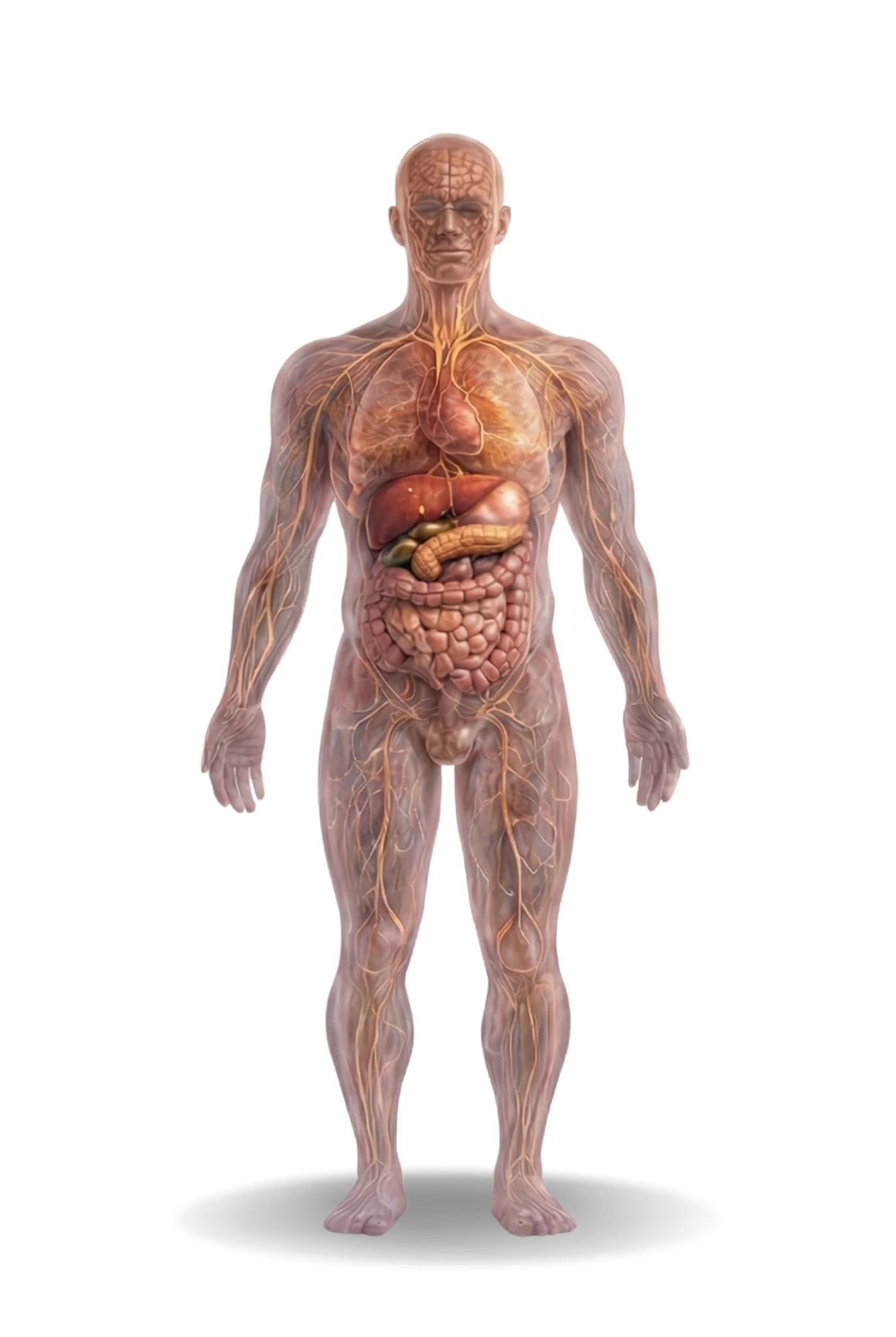
What Changes inside the Body
When Cogent DB+ is Introduced
Lorem ipsum dolor sit amet, consectetur adipiscing elit. Ut elit tellus, luctus nec ullamcorper mattis, pulvinar dapibus leo.
System ×
Cogent DB+ does not fight medication.
It fights the resistance that makes medication fail.
